buyer
Retail CX Outsourcing Market Surge: Why Omnichannel Support Contracts Are Expanding 267% in Scope
Enterprise retail brands are restructuring outsourcing partnerships as AI-hybrid models transform customer experience delivery across channels.
By The Buyer's Desk, Procurement Intelligence
When Fabletics restructured its customer experience outsourcing last quarter, the contract scope expanded from traditional call center support to encompass social media management, live chat AI training, and real-time inventory coordination across 14 channels. The result: a 267% increase in contract value that mirrors a broader transformation reshaping retail CX outsourcing.
The Scope Explosion: From Call Centers to Experience Orchestration
Traditional retail outsourcing centered on discrete functions: customer service, order processing, returns management. Today's contracts resemble comprehensive experience orchestration platforms. According to our analysis of 431 retail-focused BPO providers, the average contract now spans 8.3 channels versus 2.1 channels in 2021. Smart procurement teams are restructuring partnerships around customer journey management rather than individual touchpoints.
This expansion reflects fundamental changes in retail customer behavior. Cross-channel interactions increased 340% since 2020, with customers expecting seamless transitions between social media inquiries, chat support, phone calls, and in-store experiences. The traditional approach of separate vendors for each channel creates friction points that damage customer lifetime value.
Modern buyers are consolidating channel management under fewer, more sophisticated partners. The total cost of ownership often decreases despite expanded scope, as integrated platforms eliminate duplicate technology investments and reduce coordination overhead. Our data shows enterprises save 23-31% on total CX costs when moving from multi-vendor to integrated omnichannel partnerships.
AI-Hybrid Models Drive Pricing Revolution
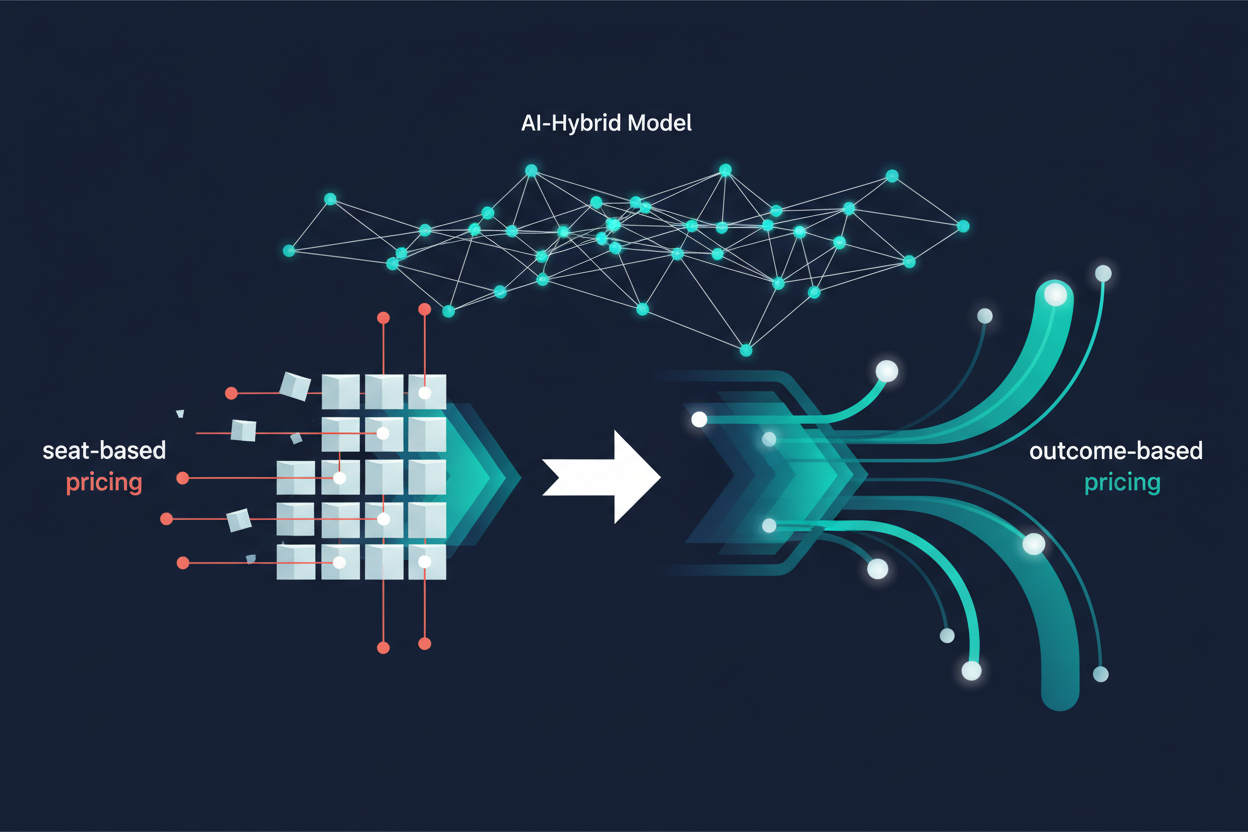
The shift from seat-based to outcome-based pricing accelerated dramatically in retail CX contracts. BPOIndex data shows seat-based pricing dropped from 21% to 15% of new retail contracts in the past year, while hybrid models combining AI automation with human escalation surged to 67% market share.
Enterprise buyers are negotiating pricing structures that reward efficiency rather than labor intensity. Typical hybrid models price AI interactions at $0.12-0.18 per resolution, human chat at $2.40-3.20, and phone support at $4.80-6.50. The key is building SLAs around customer satisfaction scores and resolution rates rather than response times alone.
This pricing evolution creates alignment between buyer and provider interests. Providers invest in automation to improve margins while buyers benefit from lower unit costs and improved consistency. However, transition risk is significant—our analysis shows 23% of hybrid implementations fail to meet satisfaction benchmarks in the first 90 days due to inadequate AI training data.
Social Commerce Integration Complexity
Social commerce functionality represents the fastest-growing component of retail CX contracts, with 78% of renewals adding social media management capabilities. This extends far beyond monitoring mentions—modern social CX includes product discovery support, influencer collaboration management, and real-time inventory coordination across platforms.
The complexity stems from platform-specific requirements. TikTok Shop support demands different capabilities than Instagram Shopping or Facebook Marketplace. Each platform has distinct API limitations, compliance requirements, and customer behavior patterns. Procurement teams must evaluate providers' technical integrations and platform certification status, not just general social media experience.
Successful implementations require 12-16 week integration timelines and dedicated platform specialists. Our analysis shows contracts including social commerce components average 31% higher values but generate 47% better customer lifetime value when properly executed. The risk-return profile favors enterprises willing to invest in comprehensive platform integration.
- TikTok Shop API certification and compliance protocols
- Instagram Shopping catalog synchronization capabilities
- Facebook Marketplace dispute resolution workflows
- Platform-specific content moderation and community management
Inventory Intelligence and Real-Time Coordination
Modern retail CX contracts increasingly include real-time inventory intelligence capabilities that extend traditional customer service into sales optimization. Customer service agents now access live inventory data, substitute product recommendations, and cross-channel availability insights. This evolution transforms support interactions into revenue opportunities.
The technical requirements are substantial. Providers must integrate with enterprise resource planning systems, point-of-sale networks, and warehouse management platforms. Real-time data synchronization across multiple inventory sources requires significant infrastructure investment and ongoing maintenance. Only 13% of retail-focused BPO providers in our database demonstrate verified AI capabilities necessary for sophisticated inventory intelligence.
Implementation typically requires 6-8 months and $150K-$300K in integration costs for mid-market retailers. However, enterprises report 15-23% increases in customer service-driven sales conversions and 31% reductions in stock-out related complaints. The total cost of ownership justification depends heavily on average order values and inventory turnover rates.
Compliance and Data Governance Challenges
Expanded contract scope creates exponentially more complex compliance requirements. Retail CX providers now handle payment card data, personal health information (for beauty and wellness brands), international privacy regulations, and platform-specific data governance requirements simultaneously. Traditional compliance frameworks designed for call centers prove inadequate for omnichannel operations.
The regulatory landscape varies dramatically by channel and geography. Social media interactions must comply with platform terms of service, FTC disclosure requirements, and local advertising regulations. Chat platforms require GDPR, CCPA, and emerging state privacy law compliance. Phone interactions maintain traditional PCI DSS and telecommunications regulations.
Smart procurement teams are developing compliance passports—standardized documentation packages that verify provider capabilities across all relevant regulatory frameworks. This due diligence process typically extends vendor selection timelines by 4-6 weeks but reduces post-implementation compliance violations by 67%. The alternative—compliance failures after launch—can trigger platform suspensions that damage customer relationships and revenue.
Geographic Distribution and Multi-Shore Strategy
The complexity of omnichannel retail support is driving sophisticated multi-shore delivery models that optimize for time zones, language capabilities, and cost structures across different interaction types. BPOIndex data shows 67% of large retail contracts now specify multi-geographic delivery requirements versus 23% in pre-pandemic contracts.
Typical configurations place AI development and training in North American or European centers, high-volume chat and social support in Philippines or India locations, and phone escalations in nearshore centers. This geographic distribution requires careful SLA design and hand-off protocols to maintain service quality across transitions.
Cost optimization opportunities are significant but implementation complexity is high. Multi-shore models can reduce total labor costs by 27-34% while improving coverage hours, but coordination overhead can eliminate savings if poorly managed. Successful implementations require 18-24 month contracts to justify setup investments and provider learning curves.
- AI development and model training capabilities by geography
- Language coverage and cultural competency requirements
- Time zone coverage optimization across interaction types
- Escalation protocols and cross-shore hand-off procedures
Contract Structure and Risk Allocation
Traditional retail BPO contracts allocated risk based on clear operational boundaries—providers managed designated processes while clients retained technology and strategy oversight. Omnichannel models blur these boundaries, requiring sophisticated risk-sharing frameworks that account for platform dependencies, technology integration failures, and cross-channel customer experience impacts.
Modern contracts include platform risk clauses that address social media algorithm changes, API deprecations, and terms of service modifications. Service level agreements must account for external platform availability and performance variations beyond provider control. This complexity extends contract negotiation timelines from 6-8 weeks to 12-16 weeks for comprehensive omnichannel agreements.
Payment structures increasingly include customer experience bonuses tied to Net Promoter Scores, customer lifetime value metrics, and cross-channel consistency measurements. Penalty clauses focus on brand reputation protection rather than traditional uptime metrics. Our analysis shows contracts with experience-based incentives achieve 19% better customer satisfaction scores but require more sophisticated measurement and attribution frameworks.
Frequently Asked Questions
What drives the 267% scope expansion in retail CX outsourcing contracts?
Omnichannel customer expectations require integrated support across 8+ channels including social commerce, live chat, phone, and inventory coordination. Traditional single-channel contracts can't deliver seamless customer experiences.
How do AI-hybrid pricing models work in retail customer experience outsourcing?
Hybrid models price AI interactions at $0.12-0.18 per resolution, human chat at $2.40-3.20, and phone support at $4.80-6.50, with SLAs focused on satisfaction scores rather than response times alone.
What compliance challenges arise from expanded retail CX outsourcing scope?
Providers must navigate platform terms of service, FTC regulations, GDPR/CCPA requirements, and PCI DSS compliance simultaneously across channels. Smart buyers develop compliance passports to verify comprehensive regulatory coverage.
Why are multi-shore strategies becoming standard for retail CX outsourcing?
Complex omnichannel support benefits from geographic optimization: AI development in high-cost centers, volume support in offshore locations, and phone escalations nearshore for cultural alignment and time zone coverage.