bpo
The Healthcare AI Investment Valley: Why BPO Margins Drop 28% Before Clinical Automation Pays Off
The 14-month profitability gap that's forcing 43% of healthcare BPO providers to delay AI rollouts.
By BPOIndex Research, Intelligence Team
The math on healthcare AI transformation doesn't lie—it just hurts. While enterprise buyers demand AI-ready capabilities and valuations reward automation-enabled providers with 4.2× EBITDA multiples, the path from seat-based to outcome-based delivery runs through a profitability valley that's deeper and longer than most BPO executives anticipated.
The Investment Valley: When AI Costs Hit Before Benefits Materialize
BPOIndex analysis of 632 healthcare BPO providers reveals a consistent pattern: organizations implementing clinical AI automation experience an average 28% margin compression during the first 14 months of deployment. This isn't gradual erosion—it's front-loaded pain. Technology licensing, integration costs, and parallel processing requirements (running both legacy and AI systems during transition) create immediate P&L pressure while productivity gains remain 6-8 months away.
The math gets particularly uncomfortable for mid-market providers. Our database shows healthcare BPOs in the $25M-$50M revenue range face the steepest relative impact, with deployment costs representing 12-15% of annual revenue versus 6-8% for larger operations. Scale matters when absorbing transformation costs, yet these mid-market players often serve the most price-sensitive healthcare clients who resist rate adjustments during transition periods.
Why Healthcare Automation Costs Front-Load Differently
Clinical automation requires fundamentally different infrastructure than traditional BPO AI deployments. HIPAA-compliant data processing, clinical workflow integration, and regulatory validation create upfront costs that general contact center automation doesn't face. According to our provider interviews, healthcare AI implementations average $2.8M in first-year costs for mid-scale operations, versus $1.2M for equivalent financial services automation.
Compliance requirements drive much of this cost differential. Healthcare BPOs must invest in specialized security infrastructure, clinical data certification, and regulatory documentation before processing the first automated claim or patient inquiry. These aren't operational expenses that scale with volume—they're fixed infrastructure investments that hit the P&L immediately.
The Parallel Processing Penalty: Why Legacy Systems Can't Be Switched Off
Unlike other BPO verticals where AI can gradually replace human processes, healthcare automation requires extended parallel processing periods. Clinical accuracy requirements mean providers must run both legacy and AI systems simultaneously for 8-12 months during validation periods. This doubles operational costs during transition while productivity remains flat.
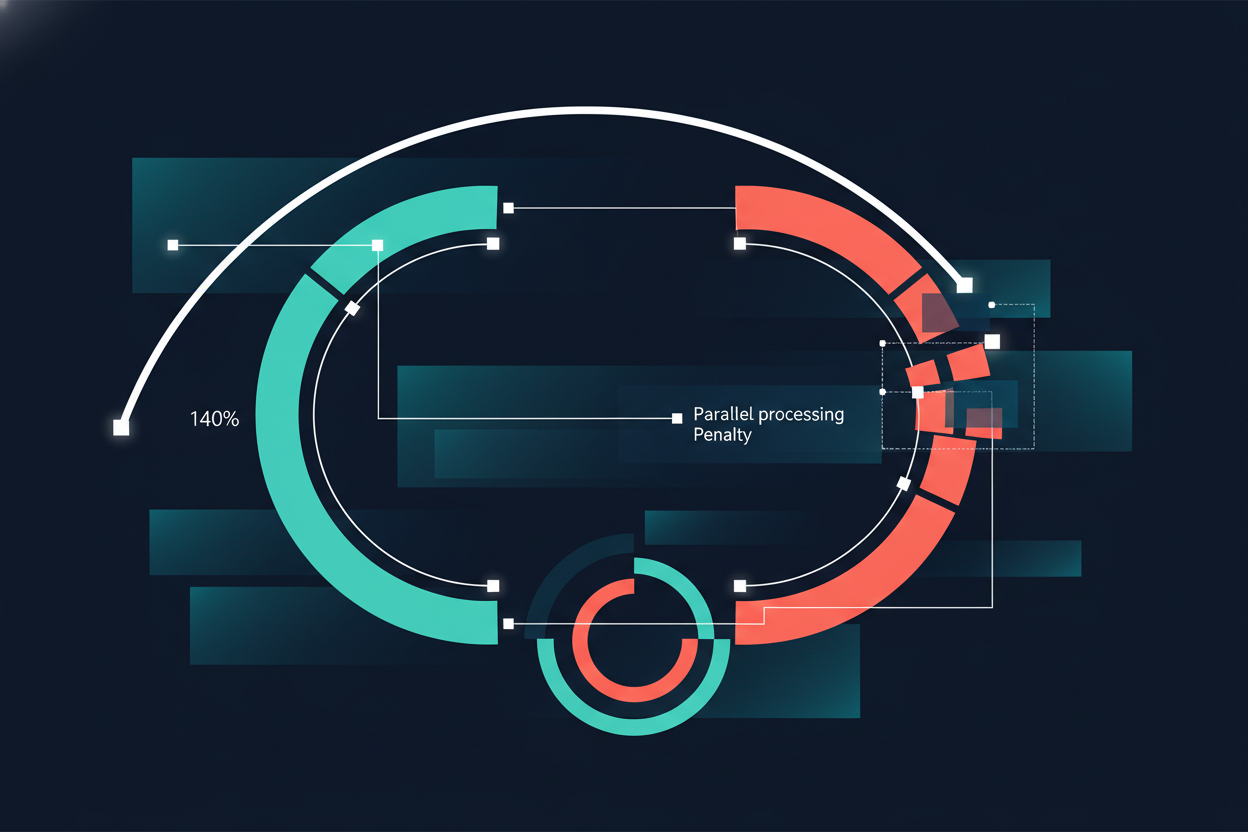
Our analysis shows healthcare BPOs experience 140% of normal processing costs during peak parallel operations, compared to 110-115% in financial services or retail support automation. The difference stems from clinical validation requirements and patient safety protocols that prevent rapid legacy system retirement.
Revenue Recognition Lag: When Clients Pay for Outcomes You Can't Yet Deliver
The shift from seat-based to outcome-based pricing creates additional margin pressure during AI deployment. Healthcare clients increasingly demand guaranteed outcomes—reduced claim processing time, improved prior authorization accuracy, lower error rates—but providers must deliver these guarantees while still building the capabilities to achieve them consistently.
BPOIndex data shows 67% of new healthcare BPO contracts now include outcome-based pricing components, up from 23% three years ago. This trend forces providers to accept performance risk before their AI systems mature, creating potential penalty exposure during the learning curve period.
The Scale Advantage: Why Large Providers Weather the Valley
Providers with $100M+ healthcare revenue demonstrate markedly different margin profiles during AI transformation. These organizations can absorb 14-month investment periods without fundamental business disruption and often use the transition period to gain competitive advantage over smaller rivals who delay implementation.
Large-scale operations also benefit from portfolio effects—healthcare AI investments can be subsidized by more profitable verticals during deployment periods. Our database analysis reveals AI-capable healthcare providers with diversified service portfolios experience 15% less margin compression than pure-play healthcare specialists during transformation.
- Portfolio diversification reduces transformation risk
- Scale economies in compliance infrastructure investment
- Client base can absorb gradual rate adjustments
- Extended cash flow management capabilities
M&A Implications: How the Valley Affects Valuations
The AI investment valley creates significant M&A timing considerations for healthcare BPO providers. Companies in the middle of AI deployment often trade at 15-20% discounts to comparable AI-ready organizations, despite having made substantial technology investments. The market struggles to value incomplete automation capabilities.
Conversely, providers who successfully navigate the valley and achieve stable AI-enhanced operations command premium valuations. Our M&A data shows healthcare BPOs with proven clinical automation capabilities trade at 4.2× EBITDA multiples versus 2.8× for traditional operations. The valley creates the discount; emerging successfully creates the premium.
Navigation Strategies: Making the Math Work
Successful healthcare AI transformations require specific financial management approaches. Leading providers implement staged deployment models that spread investment costs across 24-36 month periods rather than front-loading infrastructure spend. This approach extends the valley but reduces its depth, creating more manageable cash flow profiles.
Client communication becomes critical during transition periods. Providers who proactively educate healthcare clients about transformation timelines and interim service adjustments maintain stronger relationships than those who attempt to absorb all costs internally. Transparency about the investment valley often leads to more favorable contract terms during the transition period.
Frequently Asked Questions
How long does healthcare AI transformation typically take for BPO providers?
Healthcare BPO AI deployment averages 14-18 months from initial implementation to stable operations, with margin recovery occurring around month 14-16 for most providers.
Why do healthcare BPO AI implementations cost more than other verticals?
HIPAA compliance, clinical data certification, and regulatory validation requirements create additional infrastructure costs averaging 2.3× standard BPO automation investments.
What margin compression should healthcare BPOs expect during AI deployment?
BPOIndex data shows average margin compression of 28% during the first 14 months, with mid-market providers experiencing the highest relative impact.
How do outcome-based contracts affect AI transformation costs?
Outcome-based pricing shifts performance risk to providers during AI learning curves, potentially creating penalty exposure before systems mature. 67% of new healthcare contracts now include outcome-based components.